


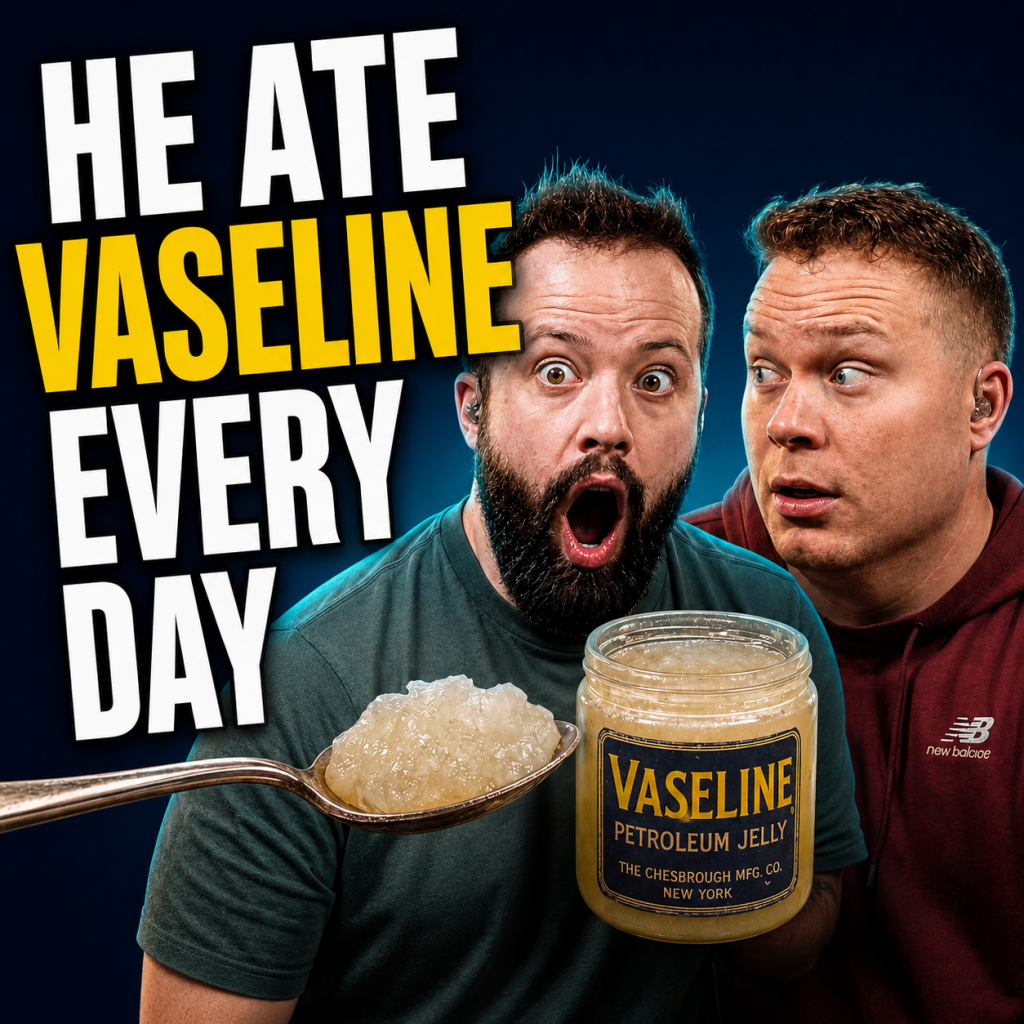
Ever wondered about the humble beginnings of the ubiquitous jar of Vaseline on your shelf? It’s a tale steeped in innovation, unconventional marketing, and the sheer tenacity of one man: Robert Chesebrough. His journey from an obsolete chemist to the founder of a global brand is as intriguing as the product itself.
The Accidental Englishman: Robert Chesebrough’s Early Life
Born in London, England, in 1837, to American parents, Robert Augustus Chesebrough’s early life was marked by a keen interest in science. His parents, residents of New Jersey, soon returned to the States, where Chesebrough spent his youth immersing himself in scientific pursuits. This foundational curiosity would eventually lead him down an unexpected path.
In the mid-1800s, Chesebrough secured a position as a chemist, working for a company that extracted oil from whales. This whale oil was a crucial commodity, primarily used for lamps and other lighting purposes, and his role involved verifying its quality. This industry, though successful for a time, faced an imminent disruption.
The Rise of Petroleum and a Career Crossroads
The discovery of petroleum in Titusville, Pennsylvania, in 1859, marked a turning point. The first successful oil well began extracting crude oil directly from the earth, rendering the whale oil industry largely obsolete. Consequently, Chesebrough found himself unemployed, his specialized skills no longer in demand.
Undeterred, Chesebrough realized that the future lay in this new petroleum industry. He travelled to Titusville, determined to understand the workings of these oil wells. During a tour, he observed a particular well that frequently halted operations. The reason? A sticky byproduct called “rod wax” or “petroleum jelly” that accumulated on the drill rods.
The Unassuming Discovery of “Rod Wax”
Workers at the well considered this clear, jelly-like substance a nuisance, an undesirable waste product. However, Chesebrough’s scientific mind saw potential. He noted that the workers themselves used this rod wax to soothe and heal minor cuts and burns sustained on the job, testifying to its perceived therapeutic properties.
Intrigued, Chesebrough obtained barrels of this rod wax and began an intensive study. He conducted self-experiments, deliberately burning himself and applying the substance to observe its effects. He consistently found that areas treated with the rod wax healed faster than untreated areas. This homemade experimentation convinced him he had stumbled upon something significant.
The Birth of Vaseline: A Scientific Name for “Earth Jelly”
Driven by his discovery, Chesebrough embarked on a mission to refine and market this peculiar substance. He patented a process to purify the rod wax, making it suitable for commercial use. The next challenge was finding a name that conveyed its scientific origins and potential benefits. After months of deliberation, he ingeniously combined the German word for water, “wasser,” and the Greek word for oil, “elaion,” adding the scientific-sounding suffix “-ine.” Thus, “Vaseline” was born.
The Sideshow Salesman: Unconventional Marketing Tactics
In 1876, Chesebrough began manufacturing and marketing Vaseline. Faced with skepticism from pharmacists in New York City, who doubted his claims, he resorted to an extraordinary marketing strategy:
- The Horsedrawn Sideshow: Chesebrough traveled New York in a horse-drawn carriage, setting up a public spectacle.
- Self-Demonstrations: He would intentionally burn or cut himself in front of crowds, then visibly apply Vaseline to the wounds.
- The Three-Day Healing Promise: He would tell onlookers to return in three days to witness the healing process, often showcasing a previously treated wound that had visibly improved.
- Free Sample Strategy: Crucially, he gave out free samples, encouraging people to try it for themselves and experience its benefits firsthand.
This audacious approach created immense public interest. People who received free samples started flocking to pharmacies, demanding Vaseline. The pharmacists, initially dismissive, were soon inundated with requests, forcing them to stock the product. Chesebrough’s unconventional methods had successfully created a market.
The Science Behind the Soothe: Vaseline’s True Benefits
While Chesebrough initially marketed Vaseline as a cure-all, or “panacea,” medical institutions later provided a more precise understanding of its efficacy. Studies revealed that petroleum jelly primarily acts as a protective barrier on the skin. This barrier helps to:
- Prevent infection: By sealing off wounds from external contaminants.
- Soothe irritation: Providing a gentle, lubricating layer.
- Aid healing: By maintaining a moist environment, which is conducive to faster recovery.
In an era where infections were rampant, this protective quality was incredibly valuable. Wounds treated with Vaseline often healed faster not because of any active medicinal ingredient, but because they were shielded from the infections that plagued untreated injuries.
From Panacea to Everyday Essential: Expansion and Legacy
Vaseline’s popularity continued to surge. By 1874, Chesebrough was selling 1,400 jars a day, necessitating the construction of a factory. His company quickly grew, even attracting the attention of Standard Oil, which acquired his business in 1881. This partnership was mutually beneficial, as Standard Oil had an abundance of rod wax and Chesebrough’s company provided a lucrative use for it.
Chesebrough’s influence extended beyond business. In 1883, he was knighted by Queen Victoria, who was reportedly a daily user of Vaseline herself. His dedication to the product was legendary; he continued to promote its benefits, even reportedly consuming a spoonful daily, attributing his long life, in part, to this unconventional habit.
After Standard Oil’s breakup in 1911, Chesebrough’s company regained its independence. He continued to be a shrewd businessman, venturing into real estate and overseeing his company’s enduring success. Robert Chesebrough passed away in 1933 at the remarkable age of 96, leaving behind a legacy of innovation and a product that would become a household staple worldwide.
Today, Vaseline is manufactured by Unilever, having been acquired through a series of corporate transactions over the decades. It remains a testament to Chesebrough’s vision that a simple byproduct, once discarded, transformed into a globally recognized and trusted petroleum jelly, valued for its protective and soothing properties.
Key Takeaways from Chesebrough’s Journey
- Observational Insight: Chesebrough’s success stemmed from observing a discarded byproduct and recognizing its potential.
- Relentless Experimentation: His willingness to experiment on himself demonstrated conviction and helped validate his product’s claims.
- Innovative Marketing: Facing skepticism, he employed creative and public demonstrations to build trust and demand.
- Focus on Core Benefits: While initial claims were broad, the product’s true value as a protective and soothing agent ensured its longevity.
Robert Chesebrough’s story is a compelling reminder that sometimes, the most revolutionary ideas are found in unexpected places, and with enough determination, even a waste product can become a global phenomenon.
Things I Learned Last Night is an educational comedy podcast where best friends Jaron Myers and Tim Stone talk about random topics and have fun all along the way. If you like learning and laughing a lot while you do, you’ll love TILLN. Watch or listen to this episode right now!
Sources
Robert Chesebrough – Wikipedia
Related Episodes
Tell Us What You Think of This Content!
Don’t forget to share it with your friends!