


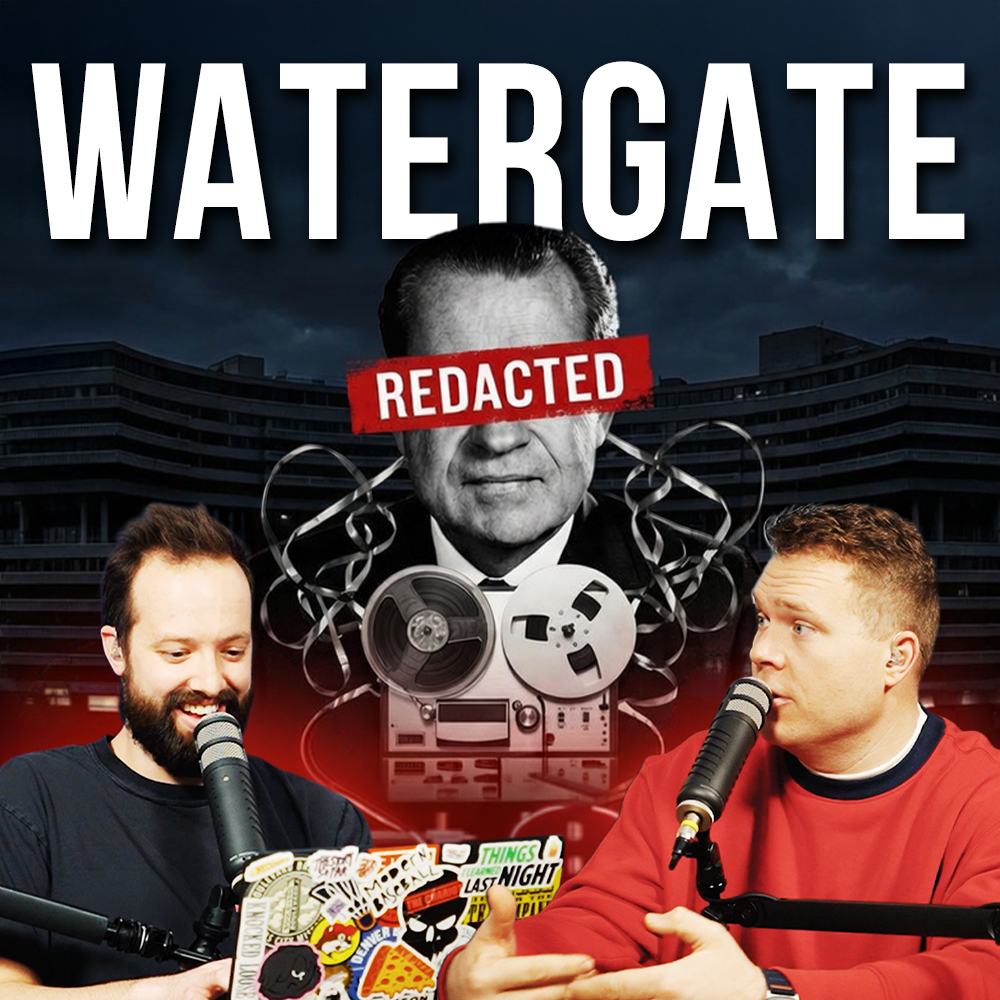
Watergate is one of the most important political scandals in American history. It reshaped how Americans view power, elections, and trust in government. What began as a small break-in at an office complex slowly uncovered corruption at the highest level of the presidency. At the center of it all was Nixon, whose actions during Watergate led to consequences no president had ever faced before.
What Was Watergate?
Watergate was both a real place and the name of a scandal. The Watergate complex was a group of offices and a hotel in Washington, D.C. In June 1972, five men were caught breaking into the Democratic National Committee offices located there.
At first, the incident appeared to be a simple burglary. But investigators quickly realized this was not random. The men were attempting to install listening devices and steal information. That discovery would eventually connect the crime to Nixon’s reelection campaign.
The Break-In That Started It All
On the night of June 17, 1972, a security guard noticed something strange. A door latch inside the Watergate complex had been taped open. After removing the tape once, he later found it taped again. This time, he called the police.
Officers entered the building and found five men hiding inside the offices. They were arrested on the spot. Investigators soon learned this was not their first attempt. The group had broken in weeks earlier, but the surveillance equipment failed, forcing them to return.
Following the Money Trail
As the investigation continued, reporters and prosecutors began tracking how the burglars were paid. They discovered money linked to the Committee to Re-Elect the President, a group working to get Nixon reelected.
This was a turning point. Watergate was no longer just a crime scene. It became a political scandal tied directly to Nixon’s inner circle. The question quickly changed from “Who broke in?” to “Who ordered it?”
Nixon and the Oval Office Tapes
One of the most damaging discoveries during Watergate was the existence of secret recordings. Nixon had installed a system that recorded conversations in the Oval Office. These tapes captured discussions about the break-in and efforts to cover it up.
When investigators demanded the tapes, Nixon refused. He claimed executive privilege, arguing that a president could not be forced to release private conversations. This standoff pushed Watergate into a full constitutional crisis.
The Saturday Night Massacre
In October 1973, Nixon ordered the attorney general to fire the special prosecutor investigating Watergate. When the attorney general refused, he resigned. His deputy also refused and resigned. The third official finally carried out the order.
This event became known as the Saturday Night Massacre. Public trust collapsed almost overnight. Protests spread across the country, and pressure on Nixon increased dramatically.
The Supreme Court and Nixon’s Resignation
The Watergate case eventually reached the Supreme Court. In a unanimous decision, the Court ruled that no president is above the law. Nixon was forced to turn over the tapes.
Once released, the recordings clearly showed Nixon discussing the cover-up. Facing certain impeachment, Nixon resigned on August 8, 1974. He became the first and only U.S. president to resign from office.
The Lasting Impact of Watergate
Watergate permanently changed American politics. Dozens of government officials were convicted or jailed. New laws were passed to limit executive power and improve transparency. Journalism also changed, with reporters becoming central figures in holding leaders accountable.
Even today, Watergate remains a symbol of political scandal. The word “gate” is still added to controversies decades later. Most importantly, Watergate taught Americans to question authority and demand accountability, even from the president.
Why Watergate Still Matters Today
Watergate is not just history. It is a warning. The scandal showed how easily power can be abused and how important checks and balances are. Nixon’s downfall proved that the legal system could challenge even the most powerful office in the country.
Understanding Watergate helps explain modern distrust in politics and the ongoing debate over executive power. Its lessons remain relevant, shaping how Americans view leadership and democracy today.
Things I Learned Last Night is an educational comedy podcast where best friends Jaron Myers and Tim Stone talk about random topics and have fun all along the way. If you like learning and laughing a lot while you do, you’ll love TILLN. Watch or listen to this episode right now!
Sources
Related Episodes
Tell Us What You Think of This Content!
Don’t forget to share it with your friends!