


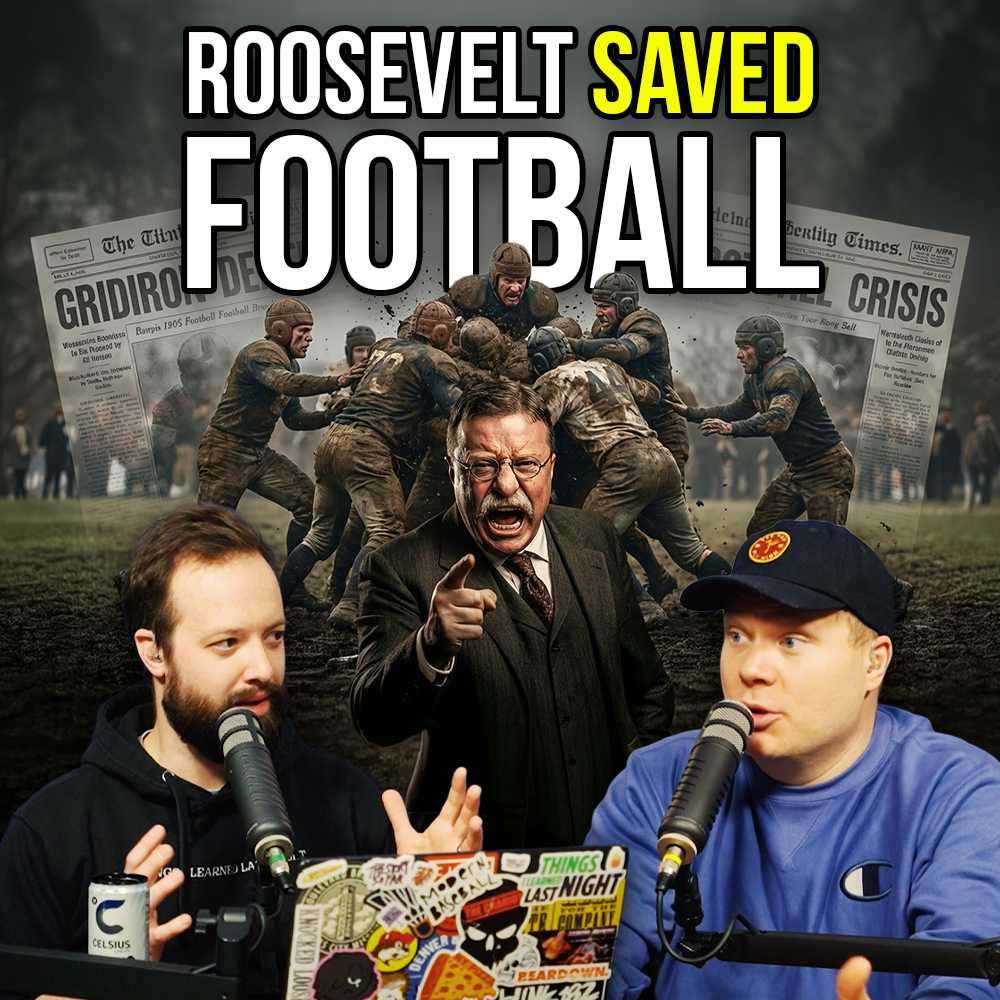
In 1905, Football faced its darkest season. That year became known as The Death Harvest because players were dying at an alarming rate. The game was brutal, chaotic, and barely regulated. Parents feared for their sons. Newspapers demanded change. And the future of Football hung in the balance.
Here’s the story of how The Death Harvest reshaped Football forever.
What Was The Death Harvest?
In 1905, at least 19 players died playing Football. Some reports place the number even higher. Many more were seriously injured. Broken bones, head trauma, and internal injuries were common.
This violent season became known as The Death Harvest.
At the time, Football looked very different from today’s game. There were:
- No helmets
- No face masks
- Minimal padding
- No neutral zone
- No forward passing
Players lined up shoulder to shoulder. Every play was a brutal push up the middle. Piles formed. Punches were thrown. Biting and pinching were not uncommon. The rules were vague, and referees had little power.
Football was a game of inches—and sometimes, a game of survival.
How Football Became So Violent
Football began in the 1800s as a mix of rugby and soccer. Ivy League schools popularized the sport. Rivalries grew intense. So did the violence.
There was no forward pass. Teams advanced the ball by forming a wedge and pushing forward together. Think of a human battering ram moving a few inches at a time.
With no neutral zone separating teams, players started plays face-to-face. Dirty tactics were common because referees could not see what happened in the pile.
As competition grew fiercer, the game grew more dangerous. The 1905 season was simply the breaking point.
That season became The Death Harvest, and the public could no longer ignore the cost.
The Death Harvest and Public Outrage
Parents, schools, and newspapers demanded change after The Death Harvest. Some even called for Football to be banned entirely.
One surprising leader stepped in: Theodore Roosevelt.
Roosevelt loved tough competition. But even he believed Football had become too dangerous. He met with college leaders and pushed for reform.
In 1906, a new organization formed: the National Collegiate Athletic Association. Its mission was simple—make Football safer.
Not everyone agreed. Critics mocked safety reforms. They believed Football should remain brutal. Some even claimed new rules would weaken the sport.
But the changes moved forward.
The Rule Changes That Saved Football
The reforms after The Death Harvest changed Football forever.
Here are the most important changes:
1. The Neutral Zone
Teams could no longer line up shoulder to shoulder. A small gap separated them at the start of each play. This reduced immediate chaos.
2. Legalizing the Forward Pass
Throwing the ball had been illegal. Now it was allowed—though early rules made it risky. Over time, the forward pass opened the field and reduced dangerous pileups.
3. Increasing First Down Distance
Teams now needed 10 yards instead of 5. This forced more creative plays and discouraged constant wedge formations.
4. Stricter Penalties
Punching, holding, and unnecessary roughness became clearly illegal.
At first, these changes did not stop every injury. But they transformed the game’s structure. Football slowly became faster, wider, and more strategic.
The Death Harvest forced innovation.
When Did Helmets and Pads Arrive?
Protective gear came later.
- 1910s: Basic shoulder padding
- 1930s: Leather helmets became common
- 1950s: Face masks and improved padding
Modern Football equipment developed gradually. The reforms after The Death Harvest started the safety movement, but equipment improvements continued for decades.
Why The Death Harvest Still Matters Today
The Death Harvest changed Football from a near-deadly contest into an organized sport. Without those reforms, Football might not exist today.
College Football was once more popular than professional leagues. Over time, the NFL rose to dominance, especially after the Super Bowl era began. But the foundation of modern Football began in 1905.
Today’s game—with passing attacks, spread offenses, and safety protocols—grew from the lessons learned during The Death Harvest.
Football survived because it adapted.
Final Thoughts on The Death Harvest and Football
The Death Harvest was a turning point. Nineteen deaths in one season shocked the nation. But it also sparked reform.
Football had to choose between extinction and evolution.
It chose evolution.
Because of the Death Harvest, the sport added rules, structure, and eventually safety equipment. The violent chaos of early Football gave way to the strategic game we recognize today.
The next time you watch Football, remember this: the game almost destroyed itself. And The Death Harvest is the reason it didn’t.
Things I Learned Last Night is an educational comedy podcast where best friends Jaron Myers and Tim Stone talk about random topics and have fun all along the way. If you like learning and laughing a lot while you do, you’ll love TILLN. Watch or listen to this episode right now!
Sources
Related Episodes
Tell Us What You Think of This Content!
Don’t forget to share it with your friends!